Why Forest School is Good for Every Child
Mud, sticks and fresh air, discover the science-backed benefits of outdoor learning for children aged 2-5.
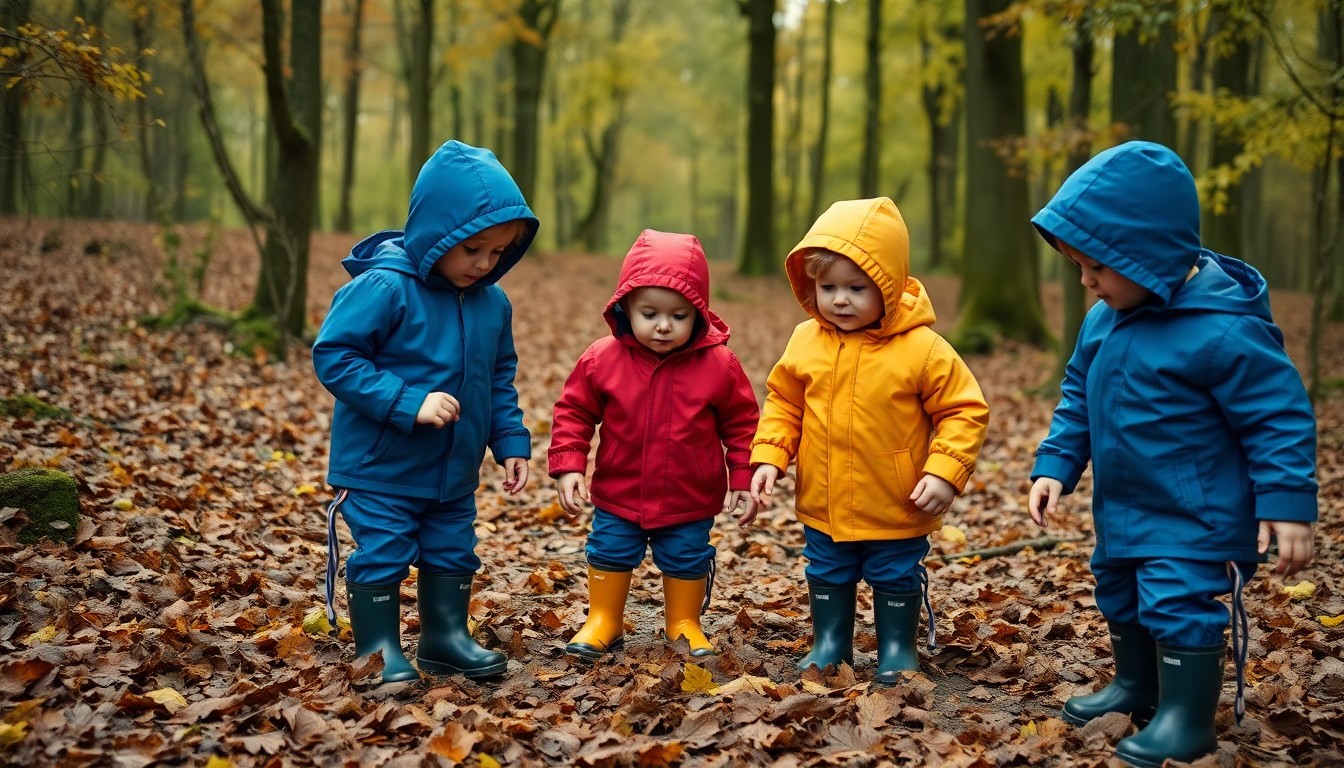
If you have ever collected your child from a Forest School session covered head-to-toe in mud and beaming from ear to ear, you already know something is going right. But what exactly is happening out there in the woods? And why do we at Bade Nursery consider it one of the most important parts of the week?
What Forest School Actually Is
Forest School is not simply "going outside." It is a structured, learner-centred approach developed in Scandinavia in the 1950s and brought to the UK in the 1990s. Qualified Forest School practitioners use the outdoor environment to deliver sessions that are child-led, repeated over time, and focused on building confidence through achievable challenges.
The key difference from a normal outdoor play session is intention. Every activity, whether it is building a den, lighting a fire with a flint, or simply sitting quietly to listen to birdsong, is planned to meet specific developmental goals while following the child's own curiosity.
The Evidence Behind It
Research from the University of Exeter and the Forest School Association consistently shows that children who attend regular Forest School sessions demonstrate:
- Greater confidence and self-esteem because they are trusted to take manageable risks
- Stronger communication skills from collaborating with peers in unstructured environments
- Improved physical coordination and gross motor skills from climbing, balancing and carrying
- Better concentration when they return to indoor activities
- A genuine love of nature that research links to long-term wellbeing in adulthood
For children aged 2 to 5, the outdoor environment is particularly powerful because this is the developmental window when the brain is forming foundational neural pathways for problem-solving, emotional regulation and language.
What Happens on a Bade Nursery Forest School Wednesday
At Bade Nursery, every child from our Toddler room upwards attends a Forest School session every Wednesday morning. Here is what a typical session looks like:
- Circle time at the fire pit. Children gather, share what they noticed last week, and set an intention for today. This builds language, memory and a sense of community.
- Free exploration. For 20-30 minutes, children roam freely within defined boundaries. Some will build, some will dig, some will simply watch a beetle for ten minutes. All of it is valuable.
- Practitioner-led activity. This might be whittling a stick with a peeler, pressing wild flowers, making mud art or learning to read animal tracks. Each activity links to EYFS learning goals.
- Snack time outdoors. Hot chocolate on cold days, apple slices on warm ones. Eating outside together is its own tiny ritual that children love.
- Reflection. Back in a circle, children describe what they did and how it felt. A simple "what was tricky?" question builds metacognition that lasts a lifetime.
What About Risk?
This is the question we hear most from new parents, and it is a fair one. Yes, children use real tools (child-safe knives and peelers), light fires and climb trees. No, they are never unsupervised.
Our Forest School lead holds a Level 3 Forest School qualification and every session is preceded by a risk-benefit assessment. We believe that the risk of a child never experiencing manageable challenge is greater than the risk of a supervised splinter. Children who learn to assess risk in a safe environment are safer, not less safe, as they grow older.
How to Extend Forest School at Home
You do not need woodland in your garden. Try these ideas after nursery:
- Collect five natural objects on your walk home and talk about what they feel like
- Keep a nature journal with crayon rubbings of leaves and bark
- Let your child lead the way on a local park walk rather than following the path you usually take
- Cook one thing together outside, even if it is just toasting marshmallows on a camping stove
The mud washes off. The confidence stays.
More from the Blog
5 Ways to Prepare Your Child for Starting Nursery
28 Feb 2025
The EYFS: A Parent's Guide to Early Years Learning
20 Jan 2025

What Your Child Eats at Bade Nursery
10 Dec 2024
Book a Free Visit
Book a free visit, come and see our spaces, meet our team and ask all your questions.
Book a VisitReady to See Bade Nursery in Person?
Book a free visit, come and see our spaces, meet our team and ask all your questions.