The EYFS: A Parent's Guide to Early Years Learning
What is the Early Years Foundation Stage and how does Bade Nursery use it to support your child's development?
If your child attends a nursery, childminder or reception class in England, you will have heard the term EYFS. It appears on Ofsted reports, in key worker reports and in the booklets nurseries hand out at induction. But what does it actually mean in practice, and how does it affect what your child does each day at Bade Nursery?
What Is the EYFS?
The Early Years Foundation Stage (EYFS) is the statutory framework set by the Department for Education that governs the care, learning and development of all children from birth to the end of their Reception year (age 5). Every Ofsted-registered nursery, childminder, pre-school and school in England is legally required to follow it.
The EYFS was last updated in September 2021. The revision placed even greater emphasis on language and communication development in the early years, and reduced the number of Early Learning Goals to make assessment less burdensome and more focused on what truly matters for child development.
The Seven Areas of Learning
The EYFS organises learning into seven areas. Three are called Prime Areas because they are the foundation everything else builds on:
- Communication and Language: listening, attention, understanding and speaking
- Physical Development: gross motor skills (running, climbing, throwing) and fine motor skills (mark-making, using tools, dressing)
- Personal, Social and Emotional Development (PSED): self-regulation, managing self, and building relationships
The four Specific Areas build on the Prime Areas as children grow:
- Literacy: comprehension, word reading and writing
- Mathematics: number and numerical patterns
- Understanding the World: past and present, people, culture and communities, the natural world
- Expressive Arts and Design: creating with materials, and being imaginative and expressive
A common misconception is that the EYFS is primarily about getting children ready to read and write. In fact, the framework explicitly states that for children under 3, the Prime Areas are the priority. Rushing Literacy and Mathematics before the foundations are secure does more harm than good.
How Bade Nursery Uses the EYFS in Practice
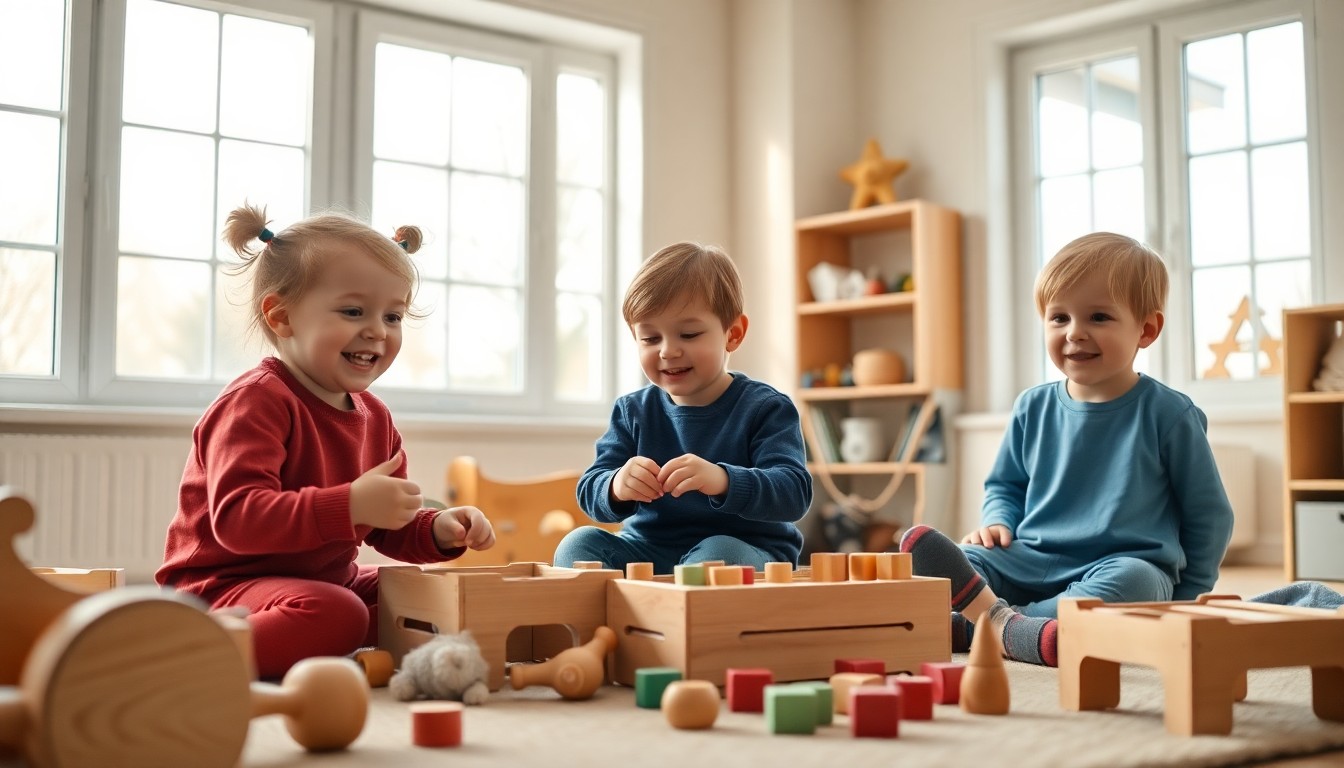
Every activity your child does at Bade Nursery is planned with the EYFS in mind, but you would not know it from watching the room. Children are not sitting at desks completing worksheets. They are playing, exploring, building, painting, singing and talking.
Observations and Planning
Your child's key worker observes them continuously throughout the day: a note about how they negotiated a dispute over the train set, a photo of a tower they built, a recording of a story they made up. These observations are stored in our parent app and form the basis of next-step planning.
If the key worker notices that a child is showing a particular interest in insects (this happens more than you might expect), they will plan activities that build on that interest while targeting specific learning goals. A bug-hunting session can cover Communication and Language, Understanding the World and Physical Development all at once.
The Key Person Approach
Every child at Bade Nursery is assigned a key worker who takes primary responsibility for their learning and wellbeing. This is a requirement of the EYFS, not just good practice. The key person relationship is central to everything: it is easier to learn from someone you trust, at any age.
The EYFS at Home: What You Can Do
The EYFS applies to nursery, but learning does not stop at our gate. Here are small things that support each area at home:
- Communication and Language: narrate your day out loud ("I am going to chop the carrots now"), ask open questions ("What do you think will happen if...?"), and read together every single night
- Physical Development: let them pour their own drink, button their own coat, carry their own bag. Competence builds confidence
- PSED: name emotions clearly ("You look frustrated. It is hard when the tower falls down."). Children cannot regulate feelings they cannot name
- Understanding the World: walk the same route each week and notice what changes with the seasons
- Mathematics: count steps, sort laundry by colour, share snacks equally. Maths is everywhere
What Happens at the End of the EYFS?
At the end of Reception, every child in England is assessed against the Early Learning Goals. This assessment, called the EYFSP (Early Years Foundation Stage Profile), is completed by the class teacher and reported to parents. It tells you whether your child has met each goal, is emerging towards it, or has exceeded it.
At Bade Nursery, we share an informal progress summary with every family at their termly key worker meeting. We do not use formal grades or levels, but we do track progress carefully and we will always tell you clearly if we have any concerns, long before any formal assessment takes place.
"The best thing you can do for your child's early learning is to love learning yourself. Let them see you curious, trying new things, making mistakes and laughing about it. That models everything the EYFS is trying to build." Our nursery manager, Sarah.
More from the Blog
Why Forest School is Good for Every Child
15 Mar 2025
5 Ways to Prepare Your Child for Starting Nursery
28 Feb 2025

What Your Child Eats at Bade Nursery
10 Dec 2024
Book a Free Visit
Book a free visit, come and see our spaces, meet our team and ask all your questions.
Book a VisitReady to See Bade Nursery in Person?
Book a free visit, come and see our spaces, meet our team and ask all your questions.